
Winter Lectures
Winter Series 2026
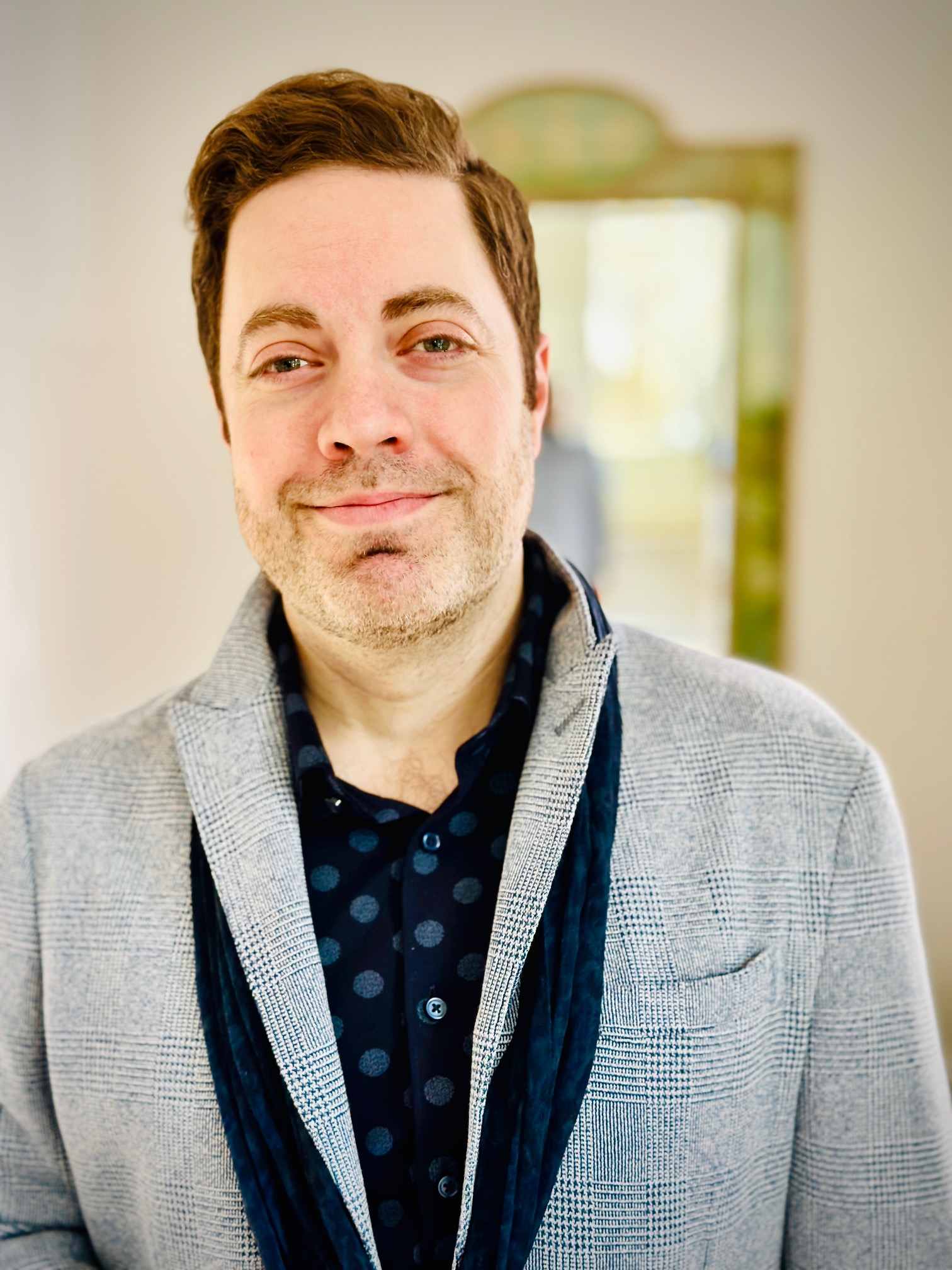
Joe Frankel
The Spiel about Spielberg
Presented by Joe Frankel
Tuesdays, January 6 to February 24, 2026
10:00 a.m. to 12:00 noon
To be offered as virtual lectures via Zoom Webinar. Recordings of each lecture will be made available to all paid participants for one week following each live lecture.
Cost $50 per household for this eight-lecture series
Times
9:50 – 10:00 a.m. Participants can join the webinar
10:00 – 11:00 a.m. Lecture
11:00 a.m. Refreshment break
11:10 a.m. Q & A
12:00 noon Lecture ends
Registration begins on Monday, December 1, 2025 at 10:00 a.m. and tickets will be on sale until Friday, Januray 2, 2026 at 11:50 p.m. After Friday, Januray 2, 2026, it will not be possible to register for individual lectures or a partial lecture series.
Arguably Steven Spielberg has had a bigger impact on contemporary filmmaking than any other living director and yet his work remains the subject of heated debate. Is he an artist or merely a prodigious entertainer? Gain a deeper understanding of the filmmaking process and glean useful insights about how to tell more compelling stories in virtually every genre by studying his singular approach to lighting, composition, camera movement and editing. Ten key works will illustrate Spielberg’s evolution from wunderkind showman and inventor of the modern blockbuster to popular artist seeking to examine his own experiences more nakedly.
Learning Objectives
- Introduce classical Hollywood storytelling, the practices employed by writers and directors within the studio system and how Spielberg has both embraced and subverted these practices. Topics discussed will include story development, three-act screenplay structure, camera movement, camera blocking and how to direct actors.
- Provide insights into the role of a movie director in shaping the overall pace and tone of a film while noting how Spielberg has actively disputed the “auteur theory” throughout his 50-year career. Remarkably, despite his success, he has generously shared the credit for his films with his collaborators, pointedly advocating for their contributions and insisting that he is not the sole author of his films. His films are therefore instructive in demonstrating the value added by key crew members such as the cinematographer, editor, composer, costume designer, production designer and VFX supervisor.
- Generate a deeper understanding of how “reputation” influences the critical and popular reception of an artist’s work – often in direct opposition to the artist’s stated intention. In the case of Spielberg, his astronomical early success has branded him and shaped (often negatively) the response to his more mature and ambiguous films from The Color Purple onward.
Click Here for printable PDF version of the Lecture Agenda
January 6, 2026: Duel (1971) – A prodigious beginning
From the start of his career, the studio system rewarded him for his preternatural command over the technical aspects of filmmaking. On the page, Duel was a seemingly routine TV movie until Spielberg transformed it into a master class in edge-of-the-seat suspense. Witness how Spielberg’s early days in television (directing pilot episodes of Columbo and Rod Serling’s Night Gallery, among others) gave rise to the narrative economy, breakneck pacing and visual eloquence for which he would be celebrated.
January 13, 2026: Jaws (1975) – Earning final cut
It was never intended to be anything more than a B movie, but in Spielberg’s hands it became the biggest box-office hit of all time and won the young director “final cut” approval over his subsequent movies. The making of Jaws was fraught with technical and logistical challenges that forced the production over budget and over time, but Spielberg persevered and was able to rescue the movie thanks to his uncommonly resourceful storytelling abilities and a particularly fruitful collaboration with editor Verna Fields and composer John Williams.
January 20, 2026: Close Encounters of the Third Kind (1977) – A blank cheque movie
Following the success of Jaws, Spielberg is given a “blank cheque” to make a personal statement with a film based on the screenplay that he himself writes. Despite the fantastical subject matter, Close Encounters is a surprisingly intimate character study filled with several directorial signatures that would carry throughout his career. Every shot and edit in the film is artfully calibrated for maximum impact. The movie is instantly hailed as one of the most thoughtful and moving science fiction films of all time – and yet Spielberg goes on to rethink and re-edit it three times.
January 27, 2025: Indiana Jones (1981 – 1989) – Achieving technical mastery
Following the uncharacteristic box-office failure of 1941, Spielberg collaborates with George Lucas, Lawrence Kasdan and Philip Kauffman to create a “sure thing” based on the iconic titular character that audiences have called the #1 hero of all time. Flirting superficially with his interest in World War 2 and drawing inspiration from numerous pre-existing and eclectic sources, Spielberg and company reshape older material into something dazzlingly new: Raiders of The Lost Ark. The film represents the crystallization of Spielberg’s storytelling techniques and proves his deftness as an action director – able to juggle an array of different tones without losing sight of character.
February 3, 2026: E.T. The Extra-Terrestrial (1982) – The adult world through a child’s eyes
Working from a script by Melissa Matheson, Spielberg creates one of his most moving and iconic films. Once again, his interest is in intimate human storytelling on an epic scale. E.T. posits a child’s fantasy of alien contact, while also speaking to the destabilizing effects of divorce and the human search for meaningful connection. Thoughtful analysis will reveal the surprising complexity and nuance beneath the dazzling surface of a movie that has endured in the culture for more than 40 years.
February 10, 2026: Empire of the Sun (1987) A child’s world through adult eyes
Spielberg inherits Tom Stoppard’s adaptation of J.G. Ballard’s true-life memoir from his hero and mentor, David Lean. It is his first serious attempt to engage with the trauma of World War 2. His stated intention is to make a film that runs counter to the sentimental and populist persona that he’s known for, but the film is largely ill-received and misunderstood – only now beginning to enjoy a critical renaissance and reappraisal.
February 17, 2026: Schindler’s List (1993) – Artistic paradox
After 10 years of avoiding his heartfelt calling to adapt Thomas Keneally’s incendiary novel, Spielberg finally endeavours to faithfully recreate the horrors of the holocaust insofar as any film can. Adopting new practices more typically associated with documentary filmmaking, he abandons the classical storytelling techniques he had mastered and profited from. The resulting film is both a problematic masterpiece and a provocative illustration of the limits of cinema.
February 24, 2026: Spielberg today
The success of Schindler’s List lit a fuse under Spielberg and inaugurated yet another unprecedented wave of creativity. Moving into the 21st century, Spielberg leveraged his influence to inspire and mentor scores of popular filmmakers, founded a movie studio, and continued to reinvent himself with remarkable dexterity. His many subsequent achievements include Saving Private Ryan, AI: Artificial Intelligence, Minority Report, Catch Me If You Can, Munich, War of the Worlds, Lincoln, War Horse, Bridge of Spies and finally (his own origin story) The Fabelmans. We close with a survey of his later works and an appraisal of what can be learned from both his craft and his career.
Joe Frankel is a Toronto-based filmmaker and the founder of Imaginary Courtyard Inc., a production company that specializes in movie advertising. He has worked as a Hollywood story editor for Universal Studios, The Mark Gordon Company and others, and he served for six years as the head of video content at Cineplex movie theatres. Joe’s screenwriting credits include a TV adaptation of The Phantom comics and the upcoming animated comedy series, Steve Guttenberg: Frenchman. When Joe isn’t writing, he produces “behind-the-scenes” documentaries for the movie studios and lectures on film at various universities and community centres across North America. His lectures cover a variety of subjects, including screenwriting, storytelling and story structure, the art of movie comedy, and the works of popular filmmakers like Steven Spielberg and Alfred Hitchcock.
Registration opens Monday, December 1, 2025 at 10:00 a.m.
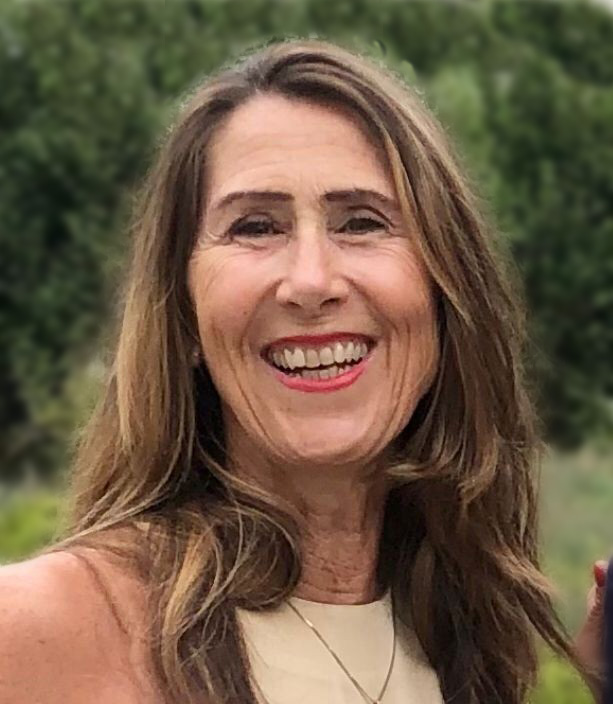
Christine Dimanche
Fads Debunked and Facts Revealed: Fitness and Nutrition for the Older Adult
Presented by Christine Dimanche
Thursdays, January 8 to February 26, 2026
10:00 a.m. to 12:00 noon
To be offered as virtual lectures via Zoom Webinar. Recordings of each lecture will be made available to all paid participants for one week following each live lecture.
Cost $50 per household for this eight-lecture series
Times
9:50 – 10:00 a.m. Participants can join the webinar
10:00 – 11:00 a.m. Lecture
11:00 a.m. Refreshment break
11:10 a.m. Q & A
12:00 noon Lecture ends
Registration begins on Monday, December 1, 2025 at 10:00 a.m. and tickets will be on sale until Friday, January 2, 2026 at 11:50 p.m. After Friday, January 2, 2026, it will not be possible to register for individual lectures or a partial lecture series.
We have all heard that a balanced diet and regular exercise offer us the best means of staying healthy. But are you overwhelmed by all the available information and advice about what to eat and how to exercise? What is a fact, what is the science behind it, and what is a myth? Hidden in many of the exercise, food and nutrition myths is often a kernel of truth. So, let’s separate the facts and the science from the misleading information. Let’s discover the real facts and debunk the health fads in fitness/physical activity and nutrition.
Can I still start exercising when I am older? Do I have to exercise every day to get benefits? What type of exercise is most beneficial? What about exercise for brain fitness? What about weight gain and what is a healthy weight? And what is the essence of a healthy diet? What about the keto diet, high protein diets, the Mediterranean diet? What do terms such as phytochemicals, antioxidants and probiotics mean? Should we all now adopt a plant-based diet?
Come and find out the answers to all these questions and more. We will not only review recommendations and benefits of exercise and healthy diet for older adults but also provide exercise ideas and strategies as well as recipes and tips for healthy food choices.
Click Here for printable PDF version of the Lecture Agenda
January 8, 2026: Fitness and physical activity – Older adults and exercise
Myths – Exercise and older adults
What does it mean to be fit when you get older?
Physical activity recommendations
How to get started? Can older adults start an exercise program?
January 15, 2026: Fitness and physical activity – Exercise and health
Link between cardiovascular fitness and heart health: how much exercise is necessary?
Can we gain muscle strength and flexibility when we get older?
Why should we maintain muscle mass?
Which exercises work best?
How does exercise improve brain fitness?
Exercise ideas, chair exercises
January 22: Fitness and physical activity – Balance and falls
Myths and facts about falls in older adults
- Why are falls in older adults quite common?
How do our bodies keep their balance?
Balance problems because of health problems
- Causes and risks for balance problems
- Increased chance of falls
Steps to reduce risk of falls and balance problems
Make your home fall safe
Balance exercises and their benefits
January 29, 2026: Nutrition – Healthy diet and eating patterns
What makes a diet healthy?
What is the role of nutrients in maintaining a healthy body in an older person?
Analysis of popular diets – what is healthy or unhealthy about them?
How can we follow a healthy eating plan – what works and what doesn’t?
Why are some eating patterns unhealthy?
Myth or fact: It is hard to put recommendations into action
Myth or fact: It is so hard to switch to healthier eating patterns
Are carbs unhealthy? How may eggs can I eat per day?
Link of meat and health? Is there a place for dairy in a healthy diet?
Is coconut fat a healthy fat?
Sample menus, tips for grocery shopping, and suggestions for overcoming roadblocks to healthy eating (budget, time, living alone)
February 5, 2026: Nutrition – Special nutritional concerns for older adults
Nutrient requirements for older adults
Changes in nutritional needs
Older adults and changes in the digestive system
More myths and facts about lactose intolerance, gluten intolerance, food allergens
February 12, 2026: Controversial topics and confusing terms
Meaning of terms such as omega-3, probiotics, prebiotics, phytochemicals, phytoestrogen, antioxidants, gluten, green coffee, detox drinks…
Their role in a healthy diet, especially for an aging body
Need for supplementation
February 19, 2026: Nutrition and plant-based diets
Types of vegetarian diets
Pros and cons
Facts and myths – is a plant-based diet good for the older adult?
Environmental impact of a conventional diet versus a plant-based diet
How to design a diet including more plant-based protein
Tips and recipes
February 26, 2026: Nutrition and healthy body weight
Importance of a healthy body weight
Metabolism and older adults
Losing weight – what actually works?
Exercise more and/or eat less?
Problem: Can’t put on weight – how can I gain weight?
Best time to eat
Better food choices for weight management
Practical tips
Christine Dimanche is a lecturer, teacher, personal trainer and fitness instructor. She holds a Master of Education in Biology and Physical Education from the University of Freiburg, and a Master’s in Leisure Studies, Health and Fitness Management from the University of Oregon. She also holds various certifications in the field of health and fitness (Certified Fitness Instructor (Canfitpro), Active Agers Certificate, Eat Clean Foundations, Brain Fitness and Aging, Cardiac Rehabilitation).
As a lecturer, Christine has been in higher education for 30 years with international teaching experience in Germany, the USA, France and Canada. Over the years, she has worked as a personal trainer and group fitness instructor, written fitness instructor manuals, and coordinated the Health and Fitness program at Tulane University.
Christine currently teaches Human Biology and Nutrition at George Brown College and runs an online fitness class for Active Agers. For the last nine years, she has been a lecturer with Lifelong Learning Toronto, offering a variety of lecture series such as Amazing Nature, Biology of Aging, 101 on Genetics, Chronic Inflammation, Brain and Cognitive Health, among others.